Life In The Trenches
Trenches were one of the symbols of the Great War. When the various European governments decided, they were all convinced that it would be a quick war in which it would be essential to take advantage of the time factor. Instead, after a few weeks the various and the excavation of hundreds of kilometres of trenches got under way, from the North of France to Eastern Europe, in present-day Poland and in the Balkans. These long corridors, slightly less than two metres deep, appeared immediately along the Italian front, in the lowlands, on the Karst plateau and in the high mountains in the middle of the snow. Although the Salandra Government and General had shown an extraordinary amount of optimism on, the war took on the same characteristics as in the rest of Europe.
In open-air museums and in the that can be visited today, trenches are the most significant evidence of what happened between 1915 and 1918. During this long period they served as the 'home' of soldiers, as the place where soldiers who were deployed on the front had to live for weeks (indeed, if not for months) on end between one battle and another. This leads spontaneously to the question as to, what inside them, how they slept, how they ate and what were their daily problems. In most testimonies, we can read about their moods, their emotions, their fears, their wish from that hell. But we can also discover chronicles of real life and find out how it was possible for so many different persons to share their lives on the front while being so close to the enemy. In this way it is possible to discover the harsh by the military leaders (especially under Cadorna) and the for those who refused to fight. It is also possible to realize how many men felt the need to pin their hopes on and on faith.
Instances of ' between enemy soldiers deserve particular mention such as when bullets were not fired from inside trenches and instead there were exchanges of staple commodities and agreements for a truce. Any video converter for mac.
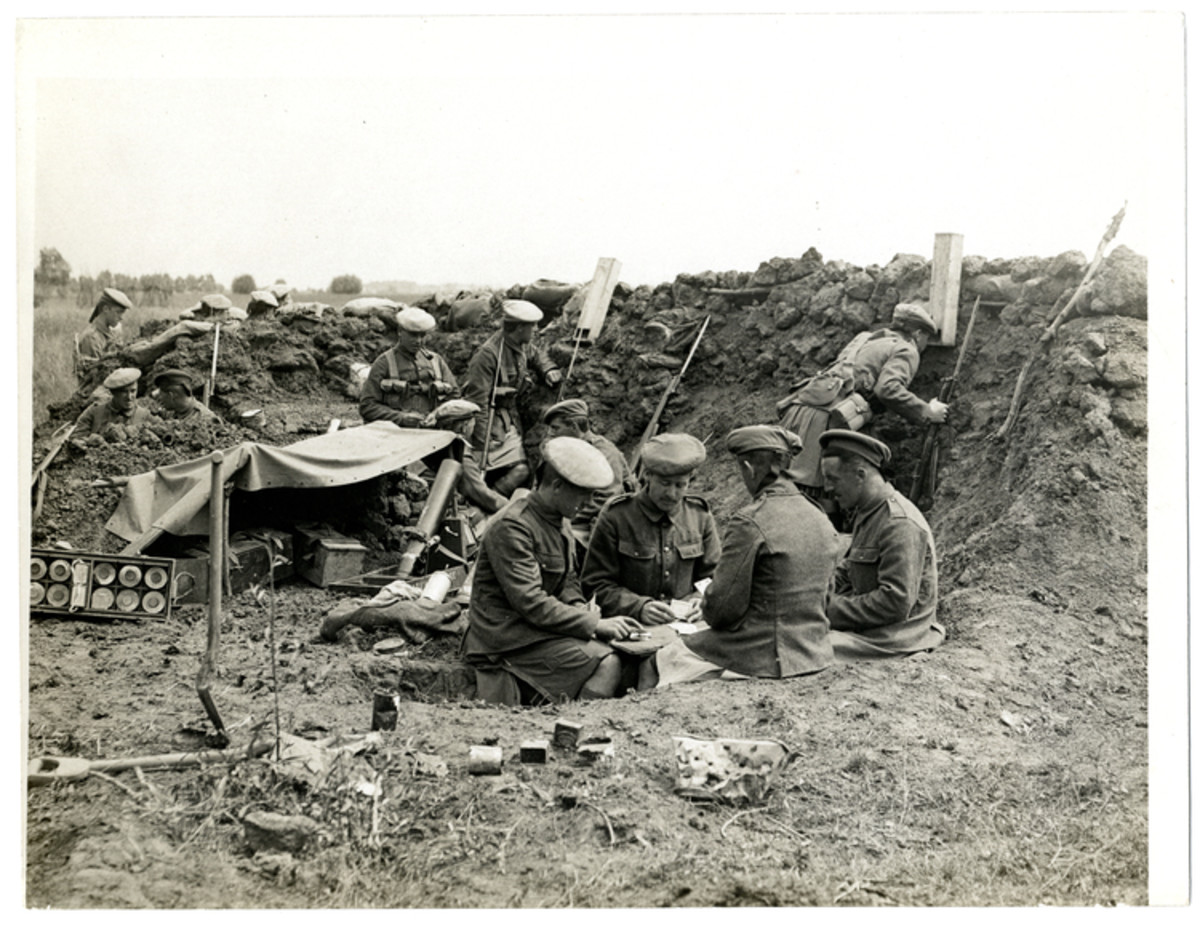
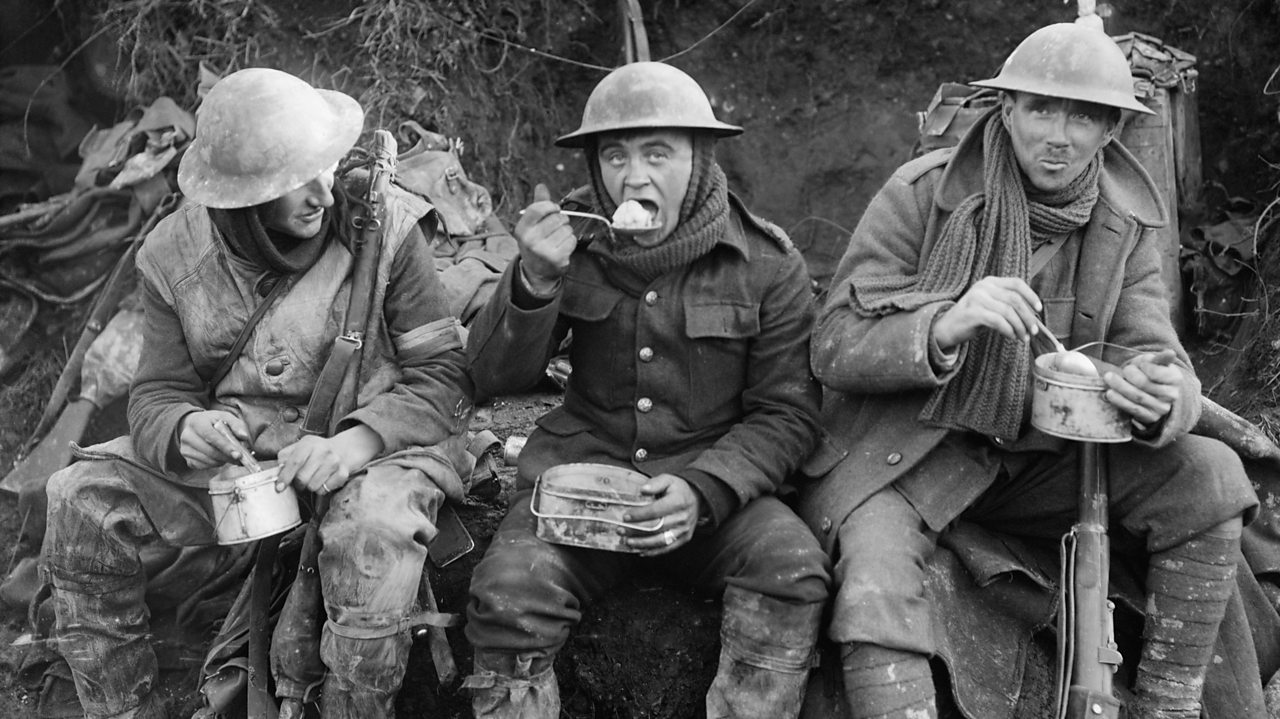
Conditions in the trenches during WW1 were horrendous. Better trenches would be about seven feet deep and 4-6 feet wide. Sometimes sand bags would line the sides of the trench otherwise a kind latticework wall of hazel branches was used (a bit like hurdle fences). Planking would be laid in the base. On the lip of the trench would be sand bags and barbed wire.
Life In The Trenches Powerpoint
Frequently, allied and enemy trenches could be as little fifty feet apart. Here and there dugouts were literally dug into the earth to provide shelter when the fighting wasn't too intense. Other than that there was little shelter. In summer the trench would be exposed to the hot sun and in winter to pouring rain and snow. The rain filled up the trench and water seeped in through the sides leaving the troops up to their knees in thick, stinking mud that made any movement difficult.
There was no sanitation and rats were a problem. Diseases were rife such as dysentery and trench foot. There would be no relief for front line troops for weeks on end. Even a near miss from an artillery shell could collapse a trench or cause dugout to collapse burying alive those inside. The nearness of death, the fear of it and smell of it, the horrific sights of shattered bodies, the screams of friend cut in half and the constant shelling combined to send many men insane either at the time or later in life. Conditions in the trenches were literally hell on earth.
Life in the trenches was extremely hard considering the circumstances. This is because of the living conditions that soldiers were forced to live in. Conditions were terrible. Men were constantly wet due to the awful and rainy weather conditions. They received little food and when they did it wasn't up to par, especially on the front lines. They had extremely hard biscuits that some soldiers reported were so hard that they wouldn't break when bei ng bashed on a rock.
They'd get canned meat and mostly drank tea. Many of the men developed illnesses and diseases that plagued the trenches. And perhaps worst of all - you were sitting ducks if the enemy honed it's artillery in precisely on that trench. It violated a basic principal of combat: Don't bunch up. There is a reason why trench warfare was abandoned after World War I. Daily life in the United States changed drastically for women during World War I.
Life In The Trenches Ww1
Before WW I, women's primary role in society was to raise children and tend to the home. However, when men left for war, women took on an entirely new role. They found employment outside the home to aid their men who w ere overseas. They did everything from working in ammunition factories to working on farms producing food to becoming CEO's of large companies. They filled the needs for doctors, bankers, etc. (Things had to go on!). Fuel was in short supply so many things were done 'by hand'.
It was hard on women. They were treated unfairly because they only got half the wages that men did. During World War One, soldiers slept on the rock hard floor with a coat covering them, when it rained they would have to make do sleeping in a big puddle and also they had to sleep within all sorts of creatures like rats, frogs and horned beetles. The living conditions were very poor. If they were lucky, whey could sleep on the firing step aswell.

In some cases soldiers would dig fox holes beside or near the trenches to avoid trench foot. Some would dig a small hole within the fox hole to light a fire and later put the fire out. This would then give them heat from the earth when they lay on it.