G5 Upgrade Series The ( For Mac
Start Scanning QR code to download the App. Requires iOS 9.0 or later, Android 5.0 or later Android iOS Feiyu ON V3.0.13 Update Explanation: 1. Fix some bugs. Feiyu ON V3.0.9 Update Explanation: 1.
Fix some black screen problems. Fix some bugs. Feiyu ON V3.0.8 Update Explanation: 1. Introduce Feiyu new product WG2X. Change Motor Strength Settings Page.
G5 Upgrade Series The For Mac
Fix some bugs. Feiyu ON V3.0.6 Update Explanation: 1. G6 and G6P add the adaptation of some cameras. Fix some bugs. Feiyu ON V3.0.5 Update Explanation: 1.
Add the photo mode to long press the video, short press the photo. Add Bluetooth mic. Fix some bugs. Feiyu ON V3.0.4 Update Explanation: 1. Added follow-up settings, motor force adaptation. Fix g6 camera connection problem.

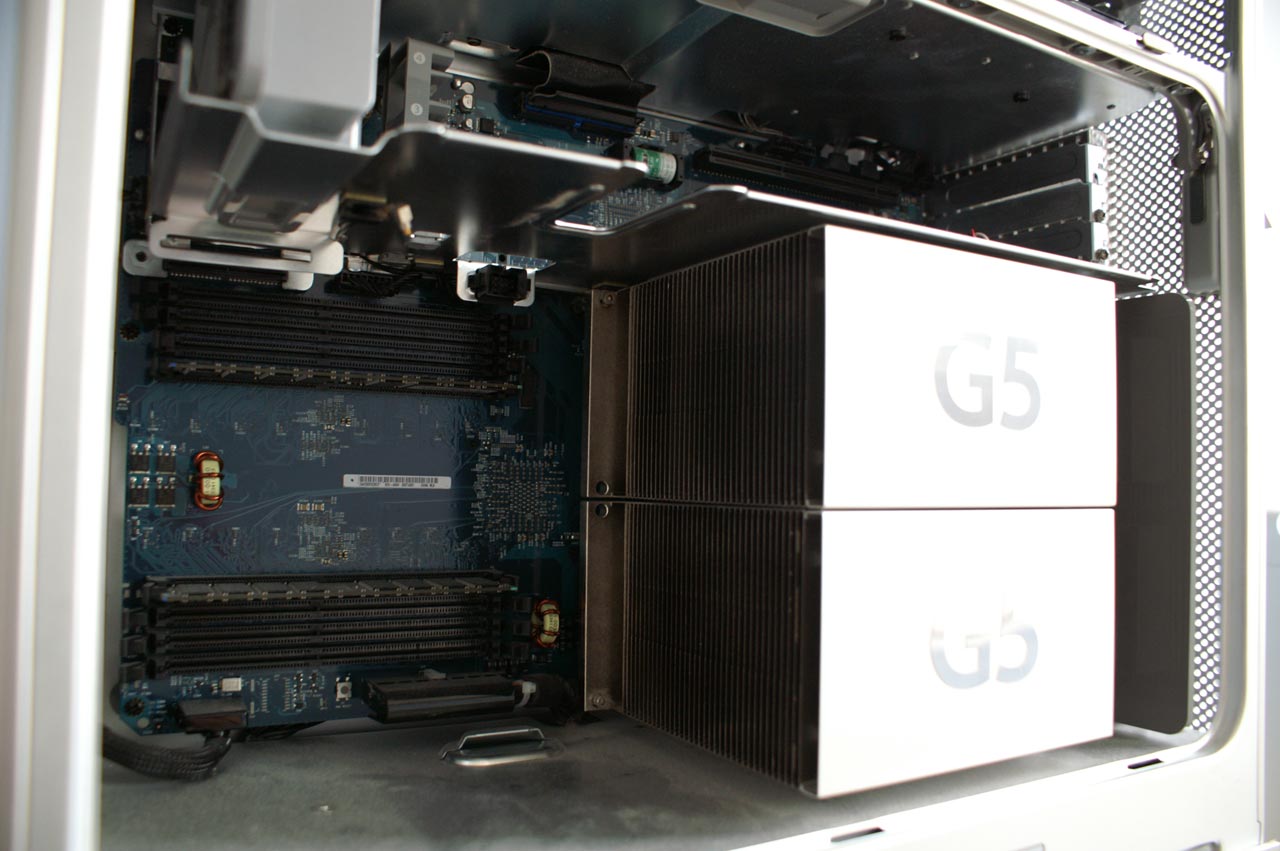
Power Mac G5 Price
Fix can not discovery MG V2. Fix some bugs.
Feiyu ON V3.0.2 Update Explanation: 1. Optimize gimbal connect to camera, object tracking and user experience. Fix some bugs. Feiyu ON V3.0.0 Update Explanation: 1. New UI Design, support full Feiyu gimbal product.
Support on object tracking. Support on AI video clip. Add video tutorial,video skill mode. Support on phone camera configuration. Optimzation on photo album. Feiyu ON V2.1.28 Update Explanation: 1. Fix some bugs.
Feiyu ON V2.1.25 Update Explanation: 1. Replace the G6 upgrade address. Fix some bugs. Feiyu ON V2.1.24 Update Explanation: 1. G6 and G6P join automatic adaption force switch.
Fix some bugs. Feiyu ON V2.1.12 Update Explanation: 1. Support G5GS function.
Increase the first page into the album features. Improve other functions.
Identification and Background You can verify that you have a iMac G5 20' Model A1076 by checking the processor information through 'About This Mac' in the Apple menu. Use the to help you identify your machine. IMacs tend to look very similar, and it's important to know which machine you have before ordering any replacement parts. The iMac G5 was a series of desktop Macintosh computers designed and built by Apple Inc.

Using the PowerPC chip architecture. It was the last line of iMac computers that used a PowerPC chip, making it the last of the iMacs that could run Mac OS (Classic) applications.